How Often Should You Get Leak Detection Done In Darwin?
Water leaks are one of the most underestimated threats to residential and commercial properties. Many leaks remain hidden for months or even years, quietly damaging structures, increasing water bills and creating conditions for mould and corrosion. In a climate where heat, humidity and seasonal weather patterns place extra stress on plumbing systems, regular leak detection in Darwin is not just preventative maintenance — it’s essential protection.
Understanding how often leak detection should be carried out depends on several factors, including property age, usage patterns and environmental exposure. This guide explains recommended inspection timeframes, warning signs to watch for and why professional leak detection plays such a critical role in protecting Darwin properties.
Why Leak Detection Is Essential in Darwin
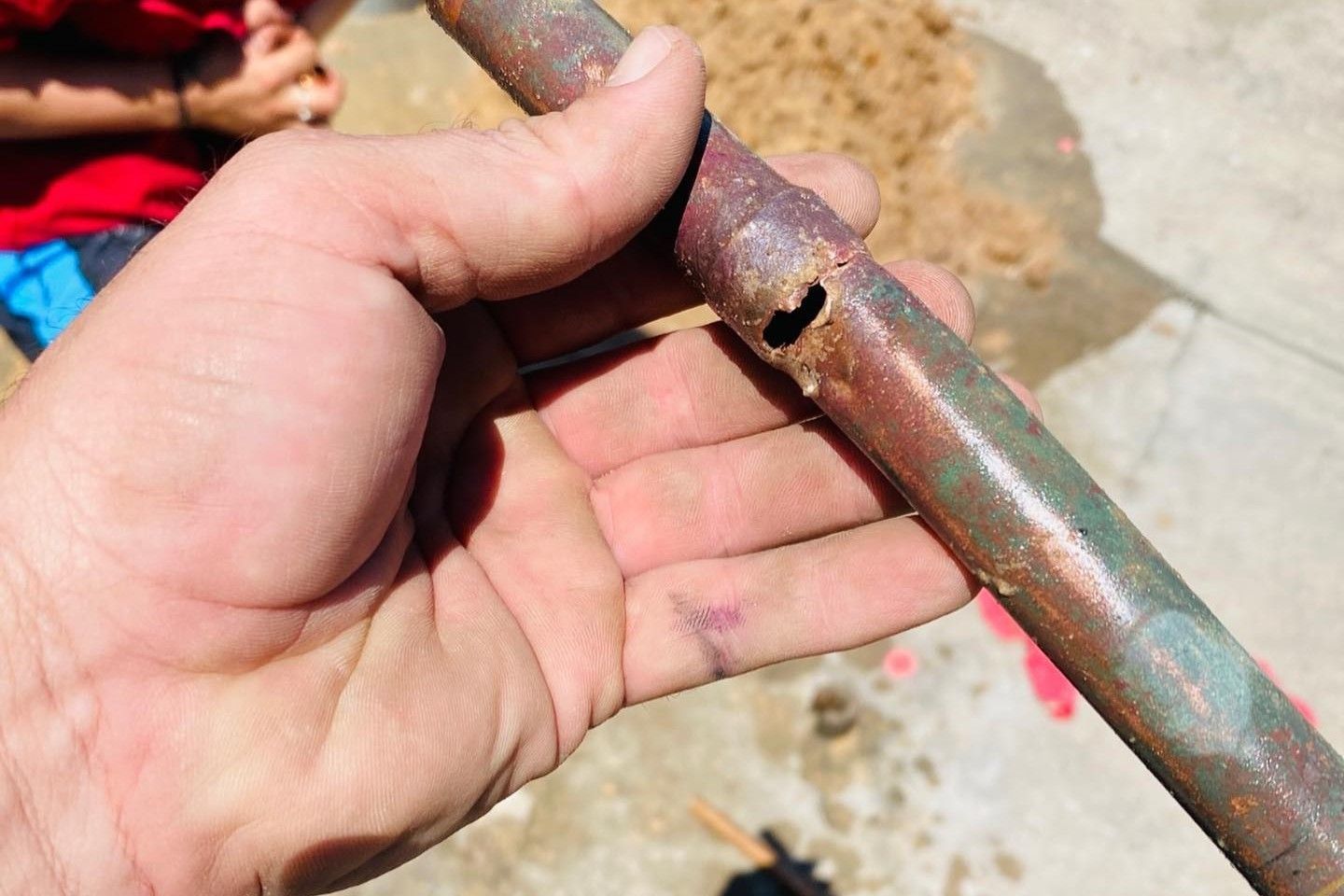
Darwin’s unique climate creates challenges that can accelerate plumbing wear. Extreme heat causes pipes to expand and contract, while high humidity promotes corrosion and joint failure. During the wet season, heavy rainfall and saturated ground can also place pressure on underground pipework, increasing the risk of leaks beneath slabs or gardens. Hidden leaks can result in:
- Consistently high or fluctuating water bills
- Structural damage to concrete slabs and foundations
- Wall and ceiling deterioration
- Persistent mould and mildew growth
- Reduced property value and increased insurance claims
Professional leak detection helps identify these issues early, often before visible damage occurs.
General Leak Detection Frequency Guidelines
For most properties, a professional leak detection inspection every two to three years is a sensible starting point. However, this is a general guideline and not a one-size-fits-all solution. In Darwin, many properties benefit from more frequent checks due to climate-related stress on plumbing systems. Leak detection should also be scheduled:
- Before purchasing a property
- Prior to selling a home
- After major plumbing upgrades or renovations
- Following severe weather events
These inspections provide reassurance that hidden issues won’t turn into costly surprises.
How Property Age Influences Leak Detection Frequency
Older Homes
Older properties often contain:
- Ageing pipe materials
- Legacy fittings and joints
- Plumbing layouts that no longer meet modern standards
These systems are more susceptible to corrosion, cracks and joint failure. For older homes, leak detection specialists often recommend inspections every 12 to 18 months to reduce the risk of long-term damage.
Newer Properties
While modern builds use improved materials and techniques, leaks can still occur due to:
- Installation defects
- Ground movement
- Manufacturing faults in fittings
Newer properties typically benefit from leak detection every two to three years, unless warning signs appear sooner.
Water Usage and Household Size Matter
The more a plumbing system is used, the greater the wear placed on pipes, joints and valves. Properties with higher-than-average water usage should consider more frequent inspections. This includes:
- Large households
- Homes with multiple bathrooms
- Properties with irrigation systems or pools
- Rental or shared accommodation
For these properties, annual or biennial leak detection can help prevent sudden failures and costly repairs.
Darwin’s Climate and Seasonal Risks
Darwin’s weather significantly influences plumbing longevity. Key environmental factors include:
- Prolonged heat increasing pipe expansion
- High humidity accelerating corrosion
- Wet season rainfall affecting underground pipes
- Soil movement impacting buried plumbing
These conditions mean leaks can develop and worsen faster than in cooler, drier regions. Scheduling
professional inspections after wet seasons or extended heat periods is often recommended.
Early Warning Signs That Should Never Be Ignored
Regardless of when your last inspection took place, certain symptoms indicate an immediate need for professional leak detection. These include:
- Unexpected spikes in water bills
- Damp patches on walls, ceilings or floors
- Persistent musty odours
- Mould growth in unusual areas
- Reduced water pressure
- Sounds of running water when taps are off
Ignoring these signs often allows damage to escalate rapidly.
Leak Detection for Investment Properties and Rentals
Landlords and property managers face additional responsibilities when it comes to plumbing maintenance. Hidden leaks can lead to:
- Tenant complaints and disputes
- Property damage claims
- Health risks associated with mould
- Increased maintenance costs
For investment properties, regular leak detection — often annually — helps protect assets, maintain compliance and reduce long-term costs.
Why Professional Leak Detection Is Always the Smart Choice
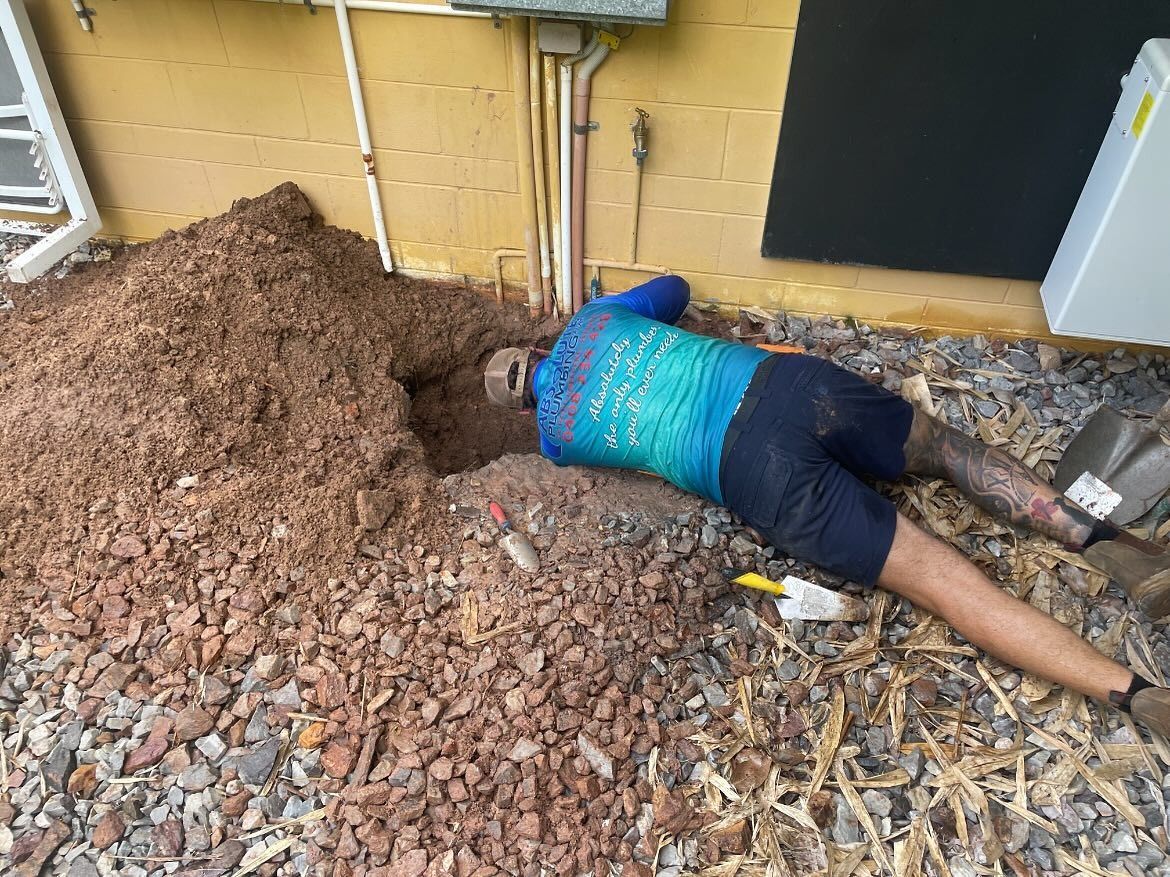
DIY methods rarely locate the true source of hidden leaks and often cause unnecessary damage. Professional leak detection uses advanced, non-invasive technology such as:
- Acoustic leak detection
- Thermal imaging cameras
- Pressure testing
- Electronic pipe locating
This approach allows leaks to be identified accurately without cutting into walls or digging unnecessarily.
Proactive Leak Detection vs Emergency Repairs
Waiting until a leak becomes obvious often results in significantly higher repair costs. Emergency plumbing work is typically more expensive and disruptive than scheduled inspections. Proactive leak detection offers:
- Early identification of minor issues
- Reduced repair scope
- Lower water usage and bills
- Protection of structural integrity
For Darwin property owners, this proactive approach often saves thousands over time.
How Often Is Too Often?
Leak detection is non-invasive and relatively affordable compared to the cost of repairs. For properties exposed to higher risk factors — such as older homes or heavy water usage — annual inspections are not excessive and often provide valuable peace of mind. A licensed plumber can recommend a tailored inspection schedule based on:
- Property age
- Plumbing materials
- Usage patterns
- Environmental exposure
Integrating Leak Detection Into Your Maintenance Plan
Including leak detection as part of a broader property maintenance plan ensures plumbing systems are monitored consistently. This approach reduces unexpected failures and helps budget for repairs more effectively. For Darwin properties, regular inspections are a smart investment in long-term durability and safety.
Protect Your Property with Professional Leak Detection
At
Absolute Plumbing Australia, experienced technicians deliver reliable
leak detection Darwin property owners trust to identify hidden
plumbing issues early and accurately. With advanced non-invasive equipment and local expertise, we help prevent water damage, rising bills and structural issues before they escalate. If it’s been years since your last
inspection — or if you’ve noticed warning signs — arranging professional leak detection now can save significant time, stress and repair costs later.
Contact us today.